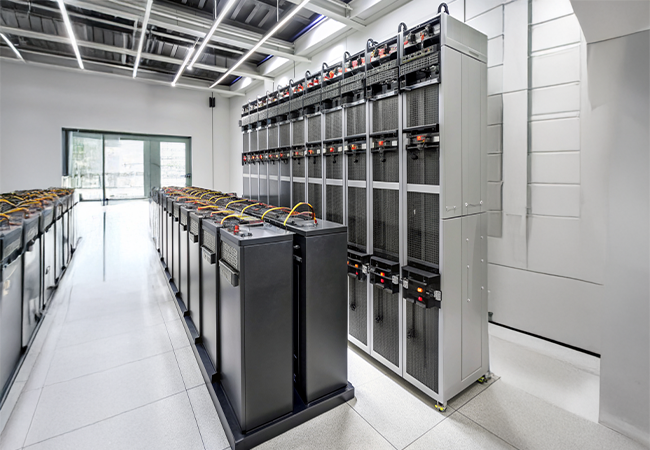
Professional UPS Maintenance in Qatar – A Complete Technical Guide by POWERON ENERTECH

Professional UPS Maintenance in Qatar – A Technical Guide by POWERON ENERTECH

Introduction

In modern electrical infrastructure, the reliability of power systems directly impacts operational continuity, safety, and data integrity. In regions like Qatar, where industries operate in demanding environmental and load conditions, maintaining a high-performance Uninterruptible Power Supply (UPS) system is not optional—it is mission-critical.

This technical blog explores the engineering aspects of UPS maintenance, key performance parameters, failure mechanisms, and best practices to ensure optimal system availability.

Understanding UPS Systems – Technical Overview

A UPS system is a complex integration of power electronics designed to provide instantaneous backup power and conditioning. It primarily consists of:

  • Rectifier/Charger: Converts AC to DC and charges the battery bank
  • Battery System: Stores energy (VRLA, Lithium-ion, or Ni-Cd)
  • Inverter: Converts DC back to clean AC output
  • Static Bypass: Ensures load transfer during internal faults or overload
  • Control & Monitoring Unit: Manages system operations using DSP/microcontrollers

Most industrial setups in Qatar deploy online double-conversion UPS systems, which provide zero transfer time and superior power conditioning.

Technical Importance of UPS Maintenance

UPS systems are subject to continuous electrical stress, thermal cycling, and environmental exposure. Over time, this leads to component degradation, affecting reliability and efficiency.

Key Technical Risks Without Maintenance:

  • Capacitor Aging: Electrolytic capacitors degrade, leading to ripple voltage increase
  • Battery Degradation: Reduced autonomy due to sulfation or electrolyte dry-out
  • Thermal Stress: Overheating of IGBTs and power modules
  • Harmonic Distortion: Increased THDi affecting upstream systems
  • Control Failures: Firmware issues or sensor inaccuracies

Routine maintenance mitigates these risks by ensuring system parameters remain within design tolerances.

Core Components of Professional UPS Maintenance

1. Battery Health Analysis

Battery systems contribute to over 60% of UPS failures. Maintenance includes:

  • Internal Resistance Testing (Ohmic Test)
  • Float Voltage Measurement
  • Discharge Testing (Autonomy Verification)
  • Thermal Runaway Risk Assessment

Advanced systems use Battery Management Systems (BMS) for real-time diagnostics.

2. Load Bank Testing

Load testing validates UPS performance under simulated outage conditions.

  • Ensures rated kVA/kW capacity is sustained
  • Identifies weak battery strings or inverter inefficiencies
  • Evaluates voltage regulation and waveform quality (THDv < 3%)

3. Power Electronics Inspection

Key focus areas:

  • IGBT Modules: Checking switching performance and thermal profile
  • Capacitors: ESR (Equivalent Series Resistance) measurement
  • Cooling Systems: Fan operation, airflow, and heat sink efficiency
  • Busbars & Connections: Torque verification and insulation integrity

4. Harmonic & Power Quality Analysis

UPS systems interact with upstream and downstream loads. Maintenance includes:

  • Measuring Total Harmonic Distortion (THDi & THDv)
  • Checking Power Factor (PF correction)
  • Verifying compliance with standards like IEEE 519

5. Firmware & Control System Updates

Modern UPS systems rely on embedded software for:

  • Load sharing in parallel systems
  • Battery charging algorithms
  • Fault diagnostics

Regular updates improve system intelligence, efficiency, and cybersecurity resilience.

6. Preventive & Predictive Maintenance

Using predictive analytics, maintenance teams can:

  • Forecast battery failure using trend data
  • Monitor thermal hotspots via infrared scanning
  • Analyze historical fault logs

This reduces unplanned downtime and enhances system lifecycle.

Environmental Considerations in Qatar

Operating conditions in Qatar introduce additional challenges:

  • High Ambient Temperatures: Accelerates battery aging (every 10°C rise halves battery life)
  • Dust & Sand: Causes insulation failure and cooling blockage
  • Humidity Variations: Leads to corrosion of terminals and PCBs

Proper enclosure design (IP-rated cabinets) and HVAC-controlled UPS rooms are critical.

Maintenance Standards and Compliance

Professional UPS maintenance should align with international standards:

  • IEEE 1188: Battery maintenance guidelines
  • IEC 62040: UPS performance and safety standards
  • ISO 9001: Quality management practices

Adhering to these ensures system reliability and audit compliance.

Industry-Specific UPS Maintenance Requirements

Healthcare

  • Zero downtime tolerance
  • Redundant UPS (N+1 configuration)
  • Compliance with medical electrical standards

Data Centers

  • High efficiency (up to 96% in ECO mode)
  • Real-time monitoring via SNMP/IoT platforms
  • Parallel redundancy and scalability

Oil & Gas / Industrial

  • Explosion-proof systems
  • High short-circuit withstand capability
  • Integration with SCADA systems

Key Indicators for Maintenance Intervention

Engineers should monitor:

  • Battery float voltage deviation (> ±5%)
  • Increase in capacitor ESR
  • Alarm logs and fault frequency
  • Temperature rise beyond design limits
  • Reduced backup time

These indicators help in scheduling timely maintenance.

Recommended Maintenance Frequency (Technical Perspective)

Environment TypeMaintenance FrequencyKey Focus
Mission-Critical (Hospitals, Data Centers)QuarterlyFull system diagnostics + load testing
IndustrialBi-AnnualComponent-level inspection
CommercialAnnualPreventive maintenance


Why Choose POWERON ENERTECH?

With deep expertise in industrial power systems, POWERON ENERTECH delivers:

  • Advanced diagnostic tools and load testing equipment
  • Certified engineers trained in global UPS brands
  • Customized AMC (Annual Maintenance Contracts)
  • Rapid response and on-site support across Qatar

Their technical approach ensures maximum uptime, optimized performance, and extended equipment lifespan.

Conclusion

UPS systems are the backbone of critical infrastructure, and their reliability depends heavily on proactive and technically sound maintenance practices. In high-demand environments like Qatar, neglecting UPS maintenance can lead to costly downtime, equipment damage, and operational risks.

Investing in professional, data-driven UPS maintenance services ensures not just backup power—but uninterrupted business continuity.

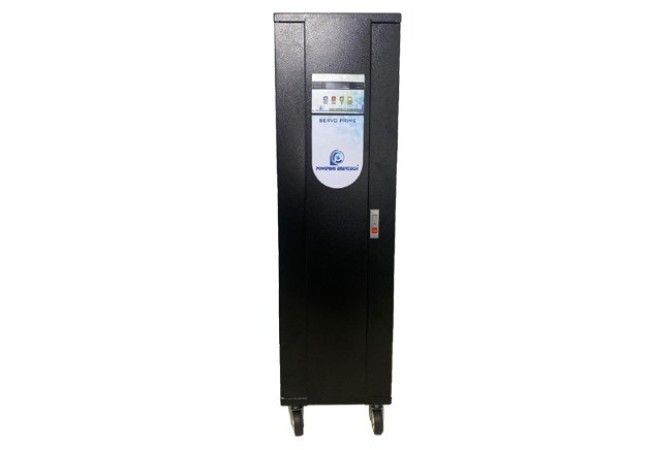
Professional UPS maintenance Qatar – engineer inspecting UPS system

Related Articles

Emergency Backup Power System

Emergency Backup Power System Manufacturers in Qatar | POWERON ENERTECH

Read more
Modular UPS System

Modular UPS System in UK | Reliable Power Solutions by Poweron Enertech

Read more
UPS Maintenance

How to Ensure Reliable UPS Maintenance in the UK

Read more
DC UPS Systems

Reliable DC UPS Systems in the UK | Poweron Enertech

Read more
Copyright 2026. All Rights Reserved..